
Navigating NFT Management, SPL Tokens, and Validator Selection on Solana
You know, I was messing around with some NFTs the other day, and wow! It’s wild how managing them on Solana feels both super slick and kinda messy at the same time. Seriously, the promise of seamless NFT interaction is there, but something felt off about the way wallets handle token standards and validator choices all tangled together. My gut said there’s gotta be a better way—especially for folks deep into staking and DeFi on Solana.
Okay, so check this out—NFTs aren’t just collectibles anymore; they’re becoming gateways into broader ecosystems, especially with SPL tokens acting as the backbone for many DeFi strategies. But here’s the kicker: not all wallets treat these assets equally. Some barely scratch the surface of SPL token management, while others overcomplicate things, making validator selection feel like decoding a cryptic puzzle.
Initially, I thought managing your NFTs and SPL tokens was mostly about convenience. But then I realized it’s way more about control and security, especially when you’re staking or running a validator node. On one hand, you want a wallet that’s user-friendly—though actually, that often conflicts with the robust features needed for deep validator insights. Balancing this is tricky, no doubt.
Have you ever tried juggling your NFT gallery while simultaneously keeping an eye on validator stats? Yeah, me too. It’s like flipping between totally different apps that don’t quite sync well. Something as simple as seeing your validator’s performance alongside your token portfolio should feel natural, right? But it doesn’t—at least, not without some serious tech know-how.
Here’s what bugs me about the whole experience: a lot of wallets force you into trade-offs. You either get slick UI or detailed validator info, rarely both. And if you’re like me, someone who’s biased toward security but also craves ease of use, that can be frustrating. I’m not 100% sure if that’s by design or just the ecosystem still catching up, but it’s a very real pain point.
Now, diving deeper into SPL tokens—these babies are the lifeblood of Solana’s DeFi scene. They’re not just tokens; they represent stake, voting power, and sometimes exclusive access to NFT drops. Managing them well means you need a wallet that supports SPL standards flawlessly. And guess what? Some wallets miss subtle nuances, like properly displaying metadata or handling token delegation elegantly, which can throw you off if you’re staking or interacting with decentralized apps.
Oh, and by the way, validator selection is *huge*. It’s not just about picking a node to stake with; it’s about trust, uptime, rewards, and community reputation. I remember the first time I had to choose a validator—I was overwhelmed. The data was scattered, and I wasn’t sure if I was picking just based on rewards or long-term stability. It felt like a shot in the dark.
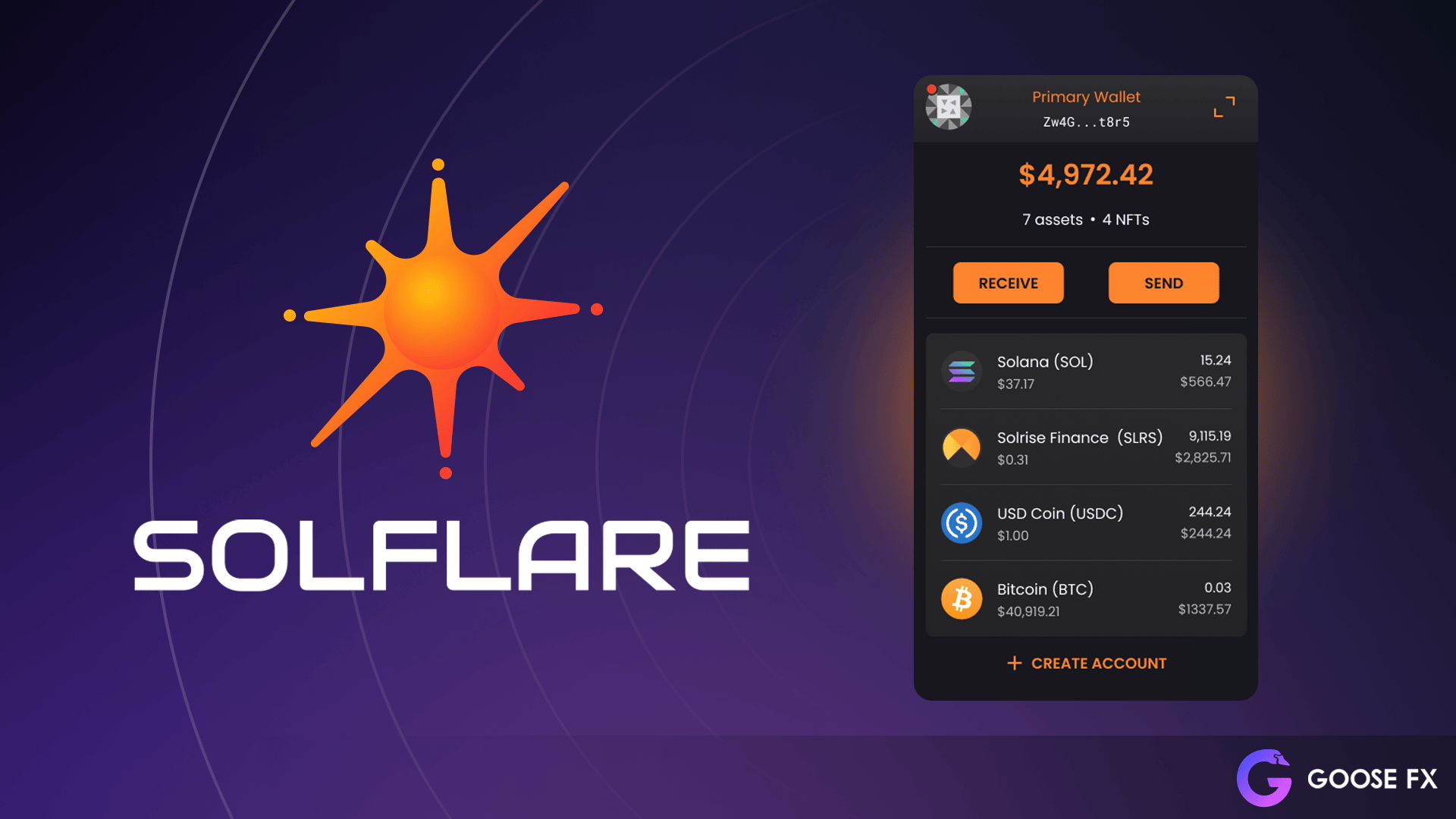
That’s when I found wallets that integrate validator insights directly into their dashboard. Check this out—having real-time stats, commission rates, and performance metrics at your fingertips changes the game. It’s almost like having a mini-expert whispering in your ear. And this is where something like the solflare wallet download becomes a personal favorite. It balances clean NFT management, SPL token handling, and validator info without making you feel like you’re juggling chainsaws.
It’s funny, because initially, I thought that any wallet supporting Solana would just work fine out of the box. But actually, wait—let me rephrase that—there’s a surprising variance in how these wallets treat SPL tokens and validator data. Some wallets are great for casual collectors but fall short when serious staking enters the picture. Others are too technical for everyday users.
So, what’s the sweet spot? For me, it’s a wallet that doesn’t just display your NFT art prettily but also respects the complex web of SPL tokens, staking options, and validator health. The ecosystem’s evolving fast, but wallets like Solflare are proving it’s possible to bring it all under one roof without sacrificing usability.
Honestly, I’ve spent hours navigating different wallets, and I keep coming back to the one that feels like it “gets” this balancing act. There’s still room for improvement, sure—like better analytics or smarter alerts when your validator’s performance dips—but the foundation is solid.
The Real Deal with NFT and SPL Token Management
NFT management on Solana isn’t just about displaying your digital art collection. It’s about how those tokens interact with the broader DeFi world. For example, many NFTs now come bundled with SPL tokens or give access to exclusive staking pools. That means your wallet has to juggle different token standards seamlessly. If it doesn’t, you might miss staking rewards or even lose track of your assets.
From personal experience, wallets that offer clear token categorization and allow easy delegation make life way easier. You don’t want to hunt through endless menus to find your SPL tokens or figure out which NFT qualifies for certain perks. And beyond that, the wallet’s security model has to be rock solid. I’m biased, but I prefer wallets that give me clear control over private keys without overcomplicating transactions.
Validator selection is another beast entirely. Choosing the right validator isn’t just technical—it’s a trust game. You want validators with low commission fees, consistent uptime, and good community standing. But those stats aren’t always easy to find or interpret in wallets that focus mostly on asset management.
That’s why wallets that integrate detailed validator data into their staking UI stand out. They empower users to make informed choices, which is crucial when your rewards depend on it. Plus, having a unified platform to manage NFTs, SPL tokens, and validator stakes reduces friction and the risk of errors.
By the way, if you’re still hunting for a wallet that fits this mold, the solflare wallet download is worth checking out. It’s not perfect, but it’s one of the few that respects the complex interplay between NFTs, SPL tokens, and validator management without feeling bloated or confusing.
One thing I’m watching closely is how wallets evolve to support new NFT standards and staking innovations. The landscape is moving fast, and wallets that can adapt will lead the pack. Meanwhile, if you’re serious about your Solana assets, having a wallet that’s both secure and insightful is very very important.
Anyway, that’s my two cents. NFT management, SPL tokens, and validator selection aren’t isolated tasks—they’re threads in a bigger tapestry. Getting those right makes interacting with the Solana ecosystem feel less like a chore and more like an adventure.