
Underage Drinking in the United States ages 12 to 20 National Institute on Alcohol Abuse and Alcoholism NIAAA
This kind of alcohol misuse can increase the risk of overdoses and make other kinds of unsafe behavior more likely. The National Institute on Alcohol Abuse and Alcoholism (NIAAA) reports that even occasional binge drinking can have serious consequences for adolescent brain development, potentially leading to long-term cognitive and behavioral issues. https://ecosoberhouse.com/ In adults, drinking alcohol impairs decision-making and impulse control, and can lead to a range of negative consequences. For adolescents, drinking alcohol can make it even more difficult to control impulses and make healthy choices. In both adolescents and adults, drinking also compromises the ability to sense danger by disrupting the function of a brain region called the amygdala. Alcohol often produces rewarding feelings such as euphoria or pleasure that trick the brain into thinking the decision to drink alcohol was a positive one and that motivate drinking again in the future.
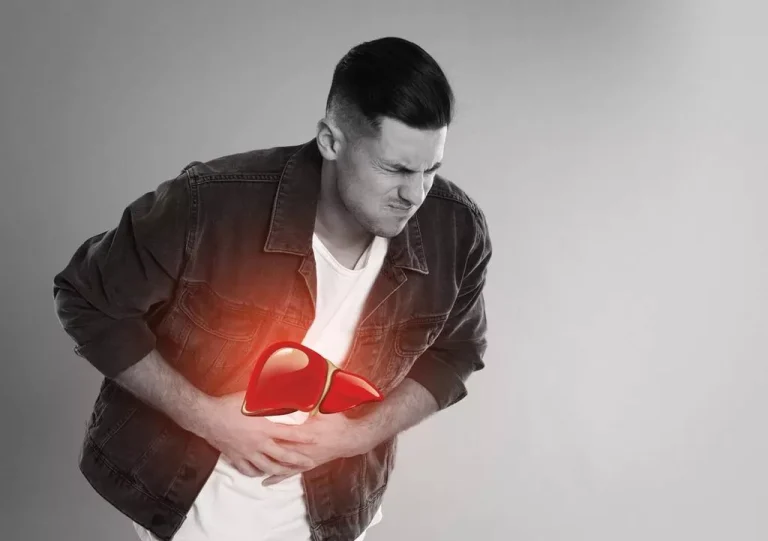
Signs of Teenage Alcohol Abuse
If a teenager has not been properly educated on the risks, they may be more likely to drink. Similarly, if a teen has not received Alcoholics Anonymous proper guidance on what it means to drink responsibly, or has been exposed to unhealthy drinking patterns in their household, they may be more susceptible to binge drinking. Some people go through a rebellious stage during their teenage years.
Mental Health and Loneliness
If your child shows signs of alcoholism, or changes in behavior due to increasing alcohol abuse, contact a treatment provider today. Providers can guide parents and concerned teens to the right facility with adolescent treatment programs and cutting-edge therapies. Alcohol abuse and dependence, like most medical or psychologicaldisorders, tend to be chronic. Many adolescents will go back tousing alcohol after they complete treatment (Bukstein, 2000). One-third ofthose who relapse do so in the first month after treatment, andtwo-thirds do so in the first 6 months. While it may be particularly dangerous to start drinking before age 15, anyone who starts using alcohol before age 21 can be at risk for a wide range of health problems.
Teen Drinking: Risks, Consequences, And Solutions

Watch out for the signs of underage alcohol use in your home and take the pledge to Talk It Out with your teen today. Staff should be trained to understand adolescent development, torecognize psychiatric problems, and to work effectively withfamilies (Liddle etal., 2001). They need to have training and experience indiverse areas to meet the many needs of adolescents with substanceuse disorders, including problems with delinquency and learningdisabilities. Although professional training and credentials arevitally important, positive, caring staff attitudes are alsoimportant in connecting adolescent clients to the treatment process(Drug Strategies,2003).
Participants study each ofthe Twelve Steps and are referred to Alcoholics Anonymous andNarcotics Anonymous meetings as part of their therapy aftertreatment to prevent relapse (Winters and Schiks, 1989). Manystudies have been completed to evaluate the outcomes of the TwelveStep Facilitation method, yet few have been geared specifically toadolescents. One study found that adolescents who are motivated toattend Twelve Step meetings have improved treatment outcomes (Kelly, Myers, and Brown,2002). However, more research is needed to assess theeffectiveness of the Twelve Step approach and how these programsmeet the developmental needs of teens (Kassel and Jackson, 2001). A major 2018 research study found that providing alcohol to teens, even in supervised contexts, was linked with an increased likelihood of adolescent binge drinking, drinking-related harms, and symptoms of alcohol use disorder. Parents who want their children to be less likely to drink may be better off enforcing a policy of “zero alcohol before age 21.,” which is the minimum legal drinking age.
- No matter how much you preach about the dangers of underage drinking, if you reach for a drink to unwind at the end of a stressful day, your teen may be tempted to follow your example.
- Having family support can also be important for teens going through rehabilitation.
- It’s important to note that the presence of one or more of these signs does not definitively indicate alcoholism.
- Department of Justice, local schooldistricts, local court agencies, and agencies that receive blockgrant funding from the Substance Abuse and Mental Health ServicesAdministration should support high-quality, coordinated programmingacross these settings.
Alcohol use in teens: Risks and statistics
Thereis an extensive literature that documents which adolescents have thebest prognosis for success in treatment. Factors that predictsuccess include having a higher socioeconomic status, attendingschool or other educational programs, and being older when substanceuse began. Developmental and cognitive impairments are common, and providersneed to be flexible in their use of activities (Wagner et al.,1999).

Denying Our Mental Health: Why We Do It and How To Move Past It
If a person drinks enough, particularly if they do so quickly, alcohol can produce a blackout. Alcohol-induced blackouts are gaps in a person’s memory for events that occurred while they were intoxicated. These gaps happen because alcohol temporarily blocks the transfer of memories from short-term to long-term storage—a process known teenage alcoholism as memory consolidation—in a brain area called the hippocampus.